The Origins of the Route
Puttgarden, on the northern tip of the German island of Fehmarn, and Rødby on the Danish island of Lolland are separated by the Fehmarn Belt, around 18 to 19 kilometres of open water. This is the shortest sea distance on the direct line between Hamburg and Copenhagen. Before 1963, travellers between the two cities had to use longer crossings such as Großenbrode–Gedser, or travel via Jutland and the Great Belt.
A short crossing meant faster journeys, more departures per day and lower operating costs per trip — strong arguments for building a dedicated route, even though both harbours had to be created almost from scratch.
The Vogelfluglinie Transport Corridor
The Vogelfluglinie (in Danish, Fugleflugtslinjen) combined new railways and roads on Fehmarn and Lolland, the Fehmarnsund Bridge between Fehmarn and the German mainland, and the Puttgarden–Rødby ferry. Planned before the war, the corridor was completed after a 1958 agreement between Denmark and West Germany and opened on 14 May 1963. Rødby Færgehavn was built as a new ferry port near the town of Rødby.
The corridor quickly became the main transport artery between Scandinavia and central Europe, drawing traffic away from older routes.
Railway Transportation
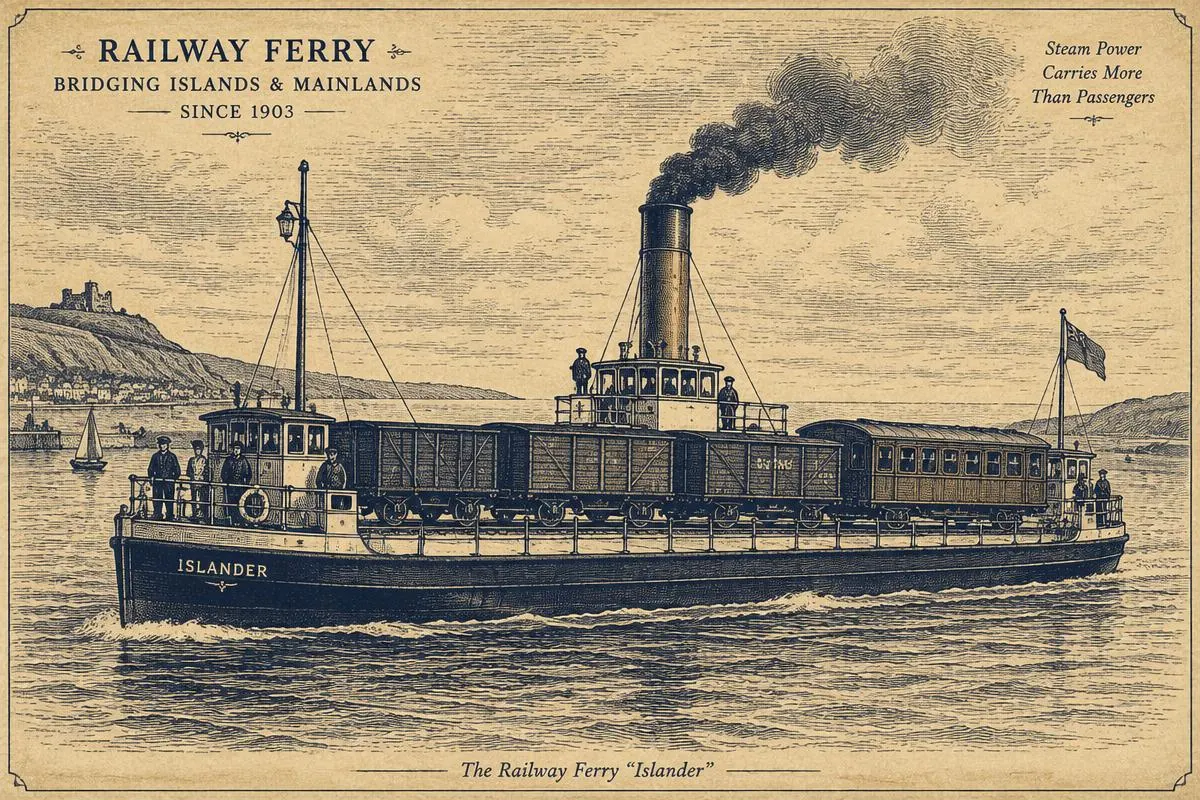
From the start, the route was designed for trains. The ferries had railway tracks on their main deck, and trains such as international express services between Hamburg and Copenhagen drove directly aboard. Passengers could remain in their carriages or go up to the passenger decks for the crossing of about 45 minutes.
Rail freight eventually shifted to the land route through Jutland after the Great Belt Fixed Link opened in 1997. Passenger trains continued to use the ferry until December 2019, when work related to the Fehmarn Belt link led to international trains being rerouted via Jutland.
The Expansion of Automobile Travel
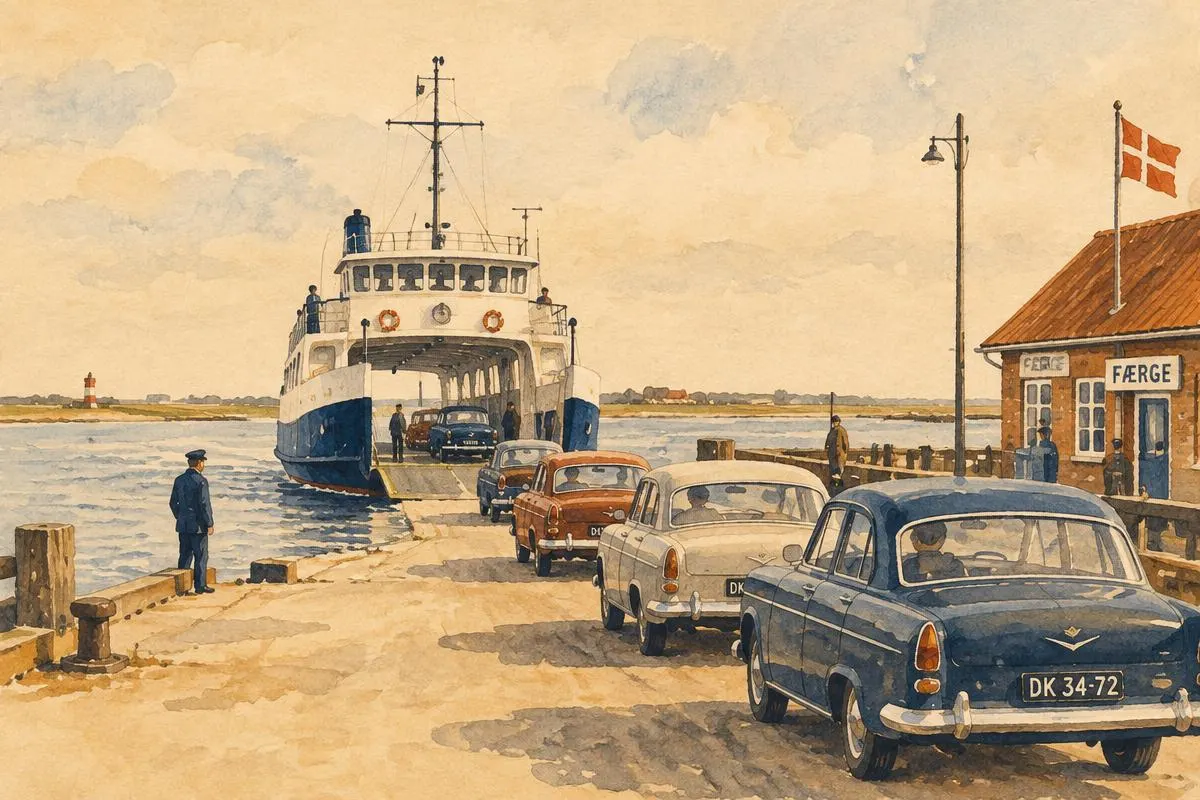
As car and lorry traffic grew in the 1960s and 1970s, vehicles became the dominant users of the route. Holiday traffic between Germany and Scandinavia peaked in summer, with long queues at the harbours. Larger ferries with greater lane capacity were introduced, and the timetable became frequent enough that drivers rarely needed to plan around a specific departure. For many people, the Puttgarden–Rødby crossing became the classic car ferry to Denmark.
Ferry Terminals
Both harbours were built for rapid loading. Railway lines led directly onto ferry berths, while road lanes, toll booths and customs facilities managed vehicle traffic. Over the years, terminals were modernised with new check-in lanes, shops and, more recently, automatic number-plate recognition. With the Schengen Agreement and the European single market, routine border formalities were reduced, though controls have been reintroduced at times.
Changes in Ferry Technology
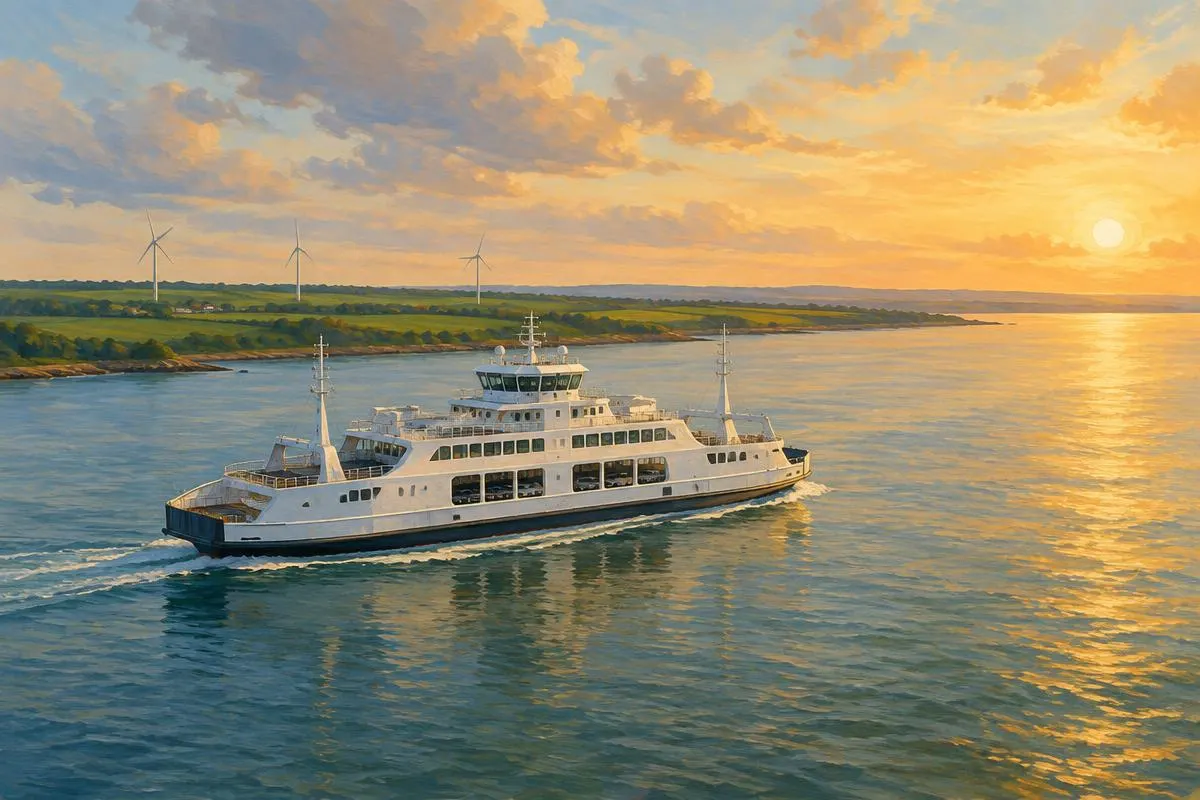
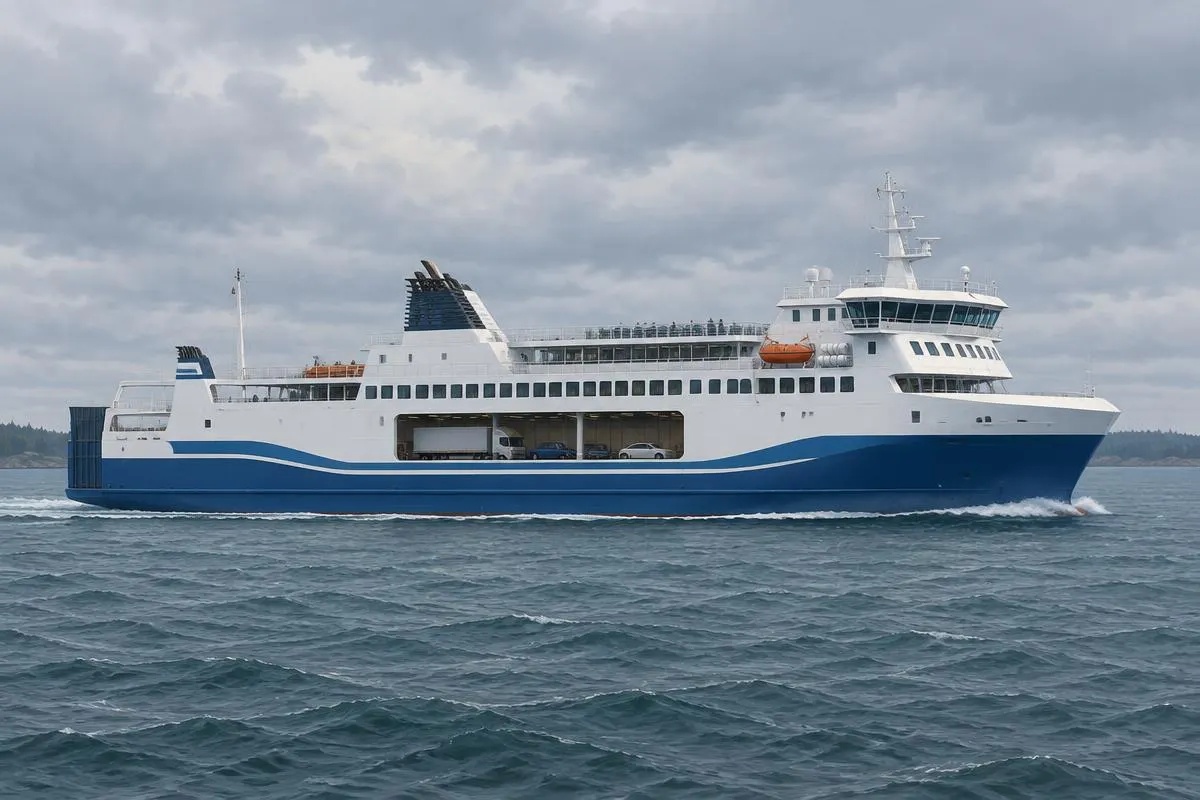
The route has seen several generations of vessels, from the first train ferries of the 1960s to larger double-ended ferries introduced in the 1990s. In the 2010s, the ferries on the route were converted to hybrid diesel-electric propulsion with large battery packs, reducing fuel consumption and emissions. Operators have announced further plans for zero-emission ferries on the route; readers should consult the operator for the current fleet status.
Ticket Offices and Early Reservations
In the early decades, tickets for rail passengers were usually included in their through-train tickets. Drivers paid at toll booths or ticket offices at the harbour, often in cash, and advance reservations could be made through travel agencies or motoring clubs. Printed brochures listed fares by vehicle type and season.
Online Booking and Modern Travel
From the late 1990s and 2000s, operators introduced online booking. Today, those who want to book a Puttgarden–Rødby ferry or find Puttgarden–Rødby tickets online do so through the operator's own website or app, with the booking linked to a vehicle's registration plate at check-in. Scandinec does not sell tickets; for current fares and to buy Puttgarden–Rødby ferry tickets, visit the official Scandlines website.
Important notice
This website is a historical and educational information resource. We do not sell ferry tickets, process reservations or accept payments. For current tickets and bookings, please contact the relevant ferry operator.
The Fehmarn Belt Fixed Link
Germany and Denmark agreed in a 2008 treaty to build a fixed link across the Fehmarn Belt. The chosen design is an immersed tunnel carrying a motorway and an electrified railway. Construction began on the Danish side in 2020. The planned opening date has been revised over time, and the link was not yet open at the time of writing; for its current status, see the official project company, Femern A/S.
Once the tunnel opens, journey times by rail and road between Hamburg and Copenhagen are expected to fall. The future role of the ferry route alongside the tunnel will depend on commercial and political decisions that have not been finalised.
Historical Timeline
- 1958
Treaty agreed
Denmark and West Germany agree to build the Vogelfluglinie.
- 1963
Route opens
14 May: Fehmarnsund Bridge and Puttgarden–Rødby ferry opened.
- 1997
Great Belt for rail
Rail freight increasingly uses the Jutland route.
- 1998
Scandlines formed
Danish and German state ferry operations merge.
- 2008
Fehmarn Belt treaty
Germany and Denmark agree on a fixed link.
- 2013–14
Hybrid ferries
Route ferries converted to hybrid propulsion.
- 2019
Last train ferry
December: international passenger trains rerouted via Jutland.
Photo Gallery